Attic Mold Removal in Dallas, TX
Attic mold removal services focus on identifying and eliminating mold growth that occurs in attic spaces due to excess moisture, poor ventilation, or leaks. These projects typically involve inspecting the attic for mold presence, safely removing affected materials, and treating the area to prevent future growth. Homeowners often seek this service when noticing musty odors, visible mold spots, or signs of water intrusion, aiming to improve indoor air quality and protect the structural integrity of the property.
Before requesting attic mold removal, property owners usually want to understand the extent of the mold problem, the types of materials affected, and the necessary steps for thorough remediation. It’s also common to inquire about the methods used to ensure mold spores are contained and removed effectively, as well as any recommended follow-up measures such as ventilation improvements or moisture control. Clear communication about the scope and process can help ensure the project addresses the specific needs of the attic space.
Many property owners in Dallas, TX look into Attic Mold Removal for repairs, replacements, upgrades, and appearance-related improvements.
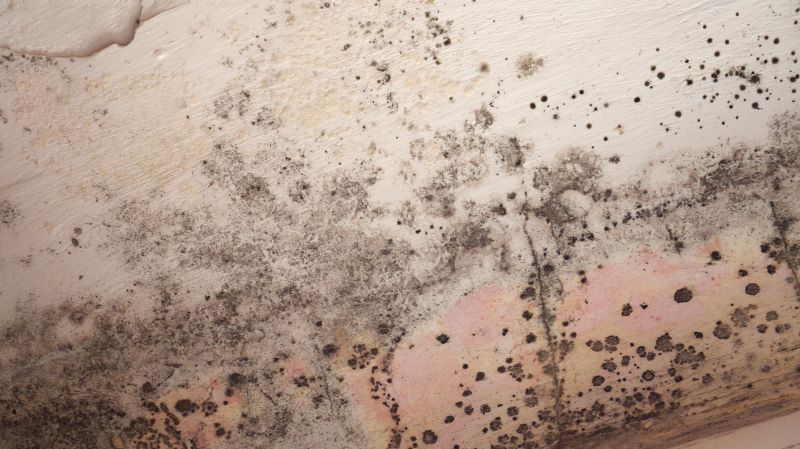
Identifying Attic Mold
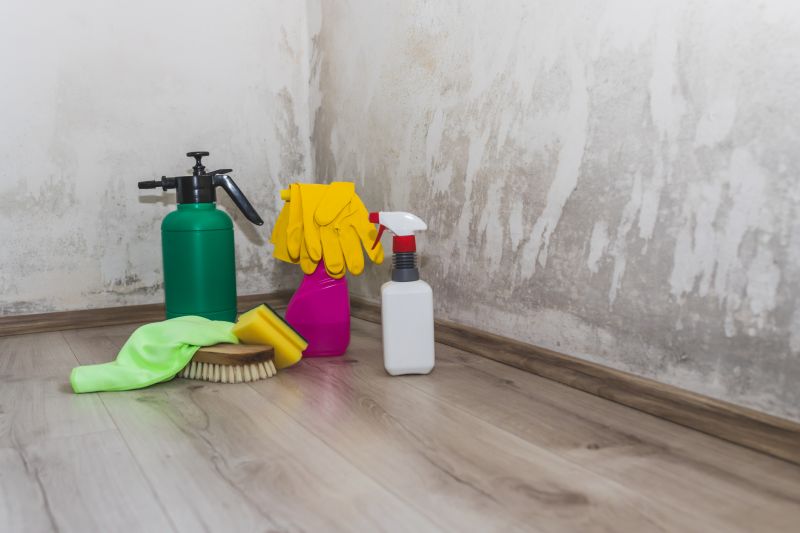
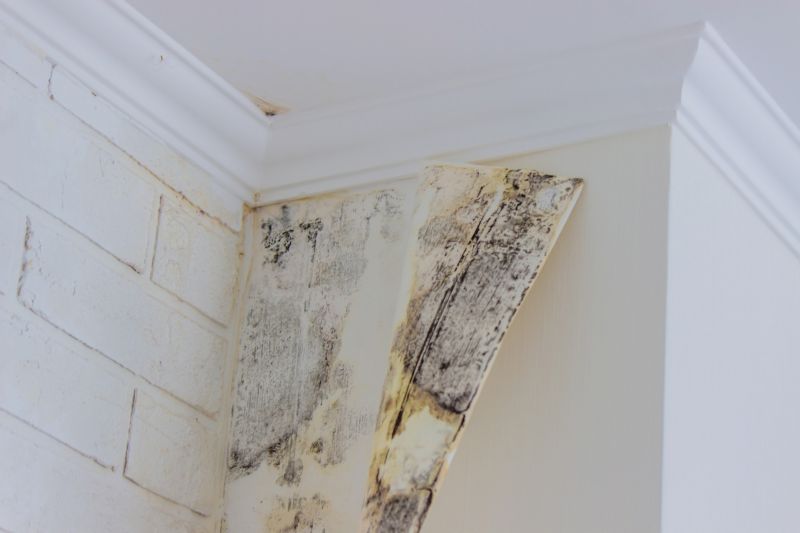
Signs of attic mold include musty odors, discoloration, and visible growth on surfaces.
Health And Property Risks
Attic mold can cause health issues and damage insulation, framing, and other building materials.
Effective Removal Solutions
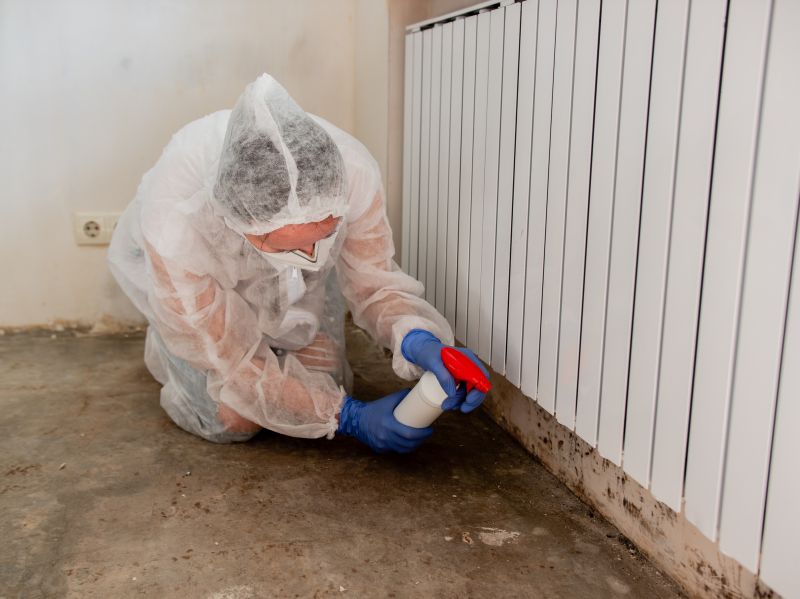
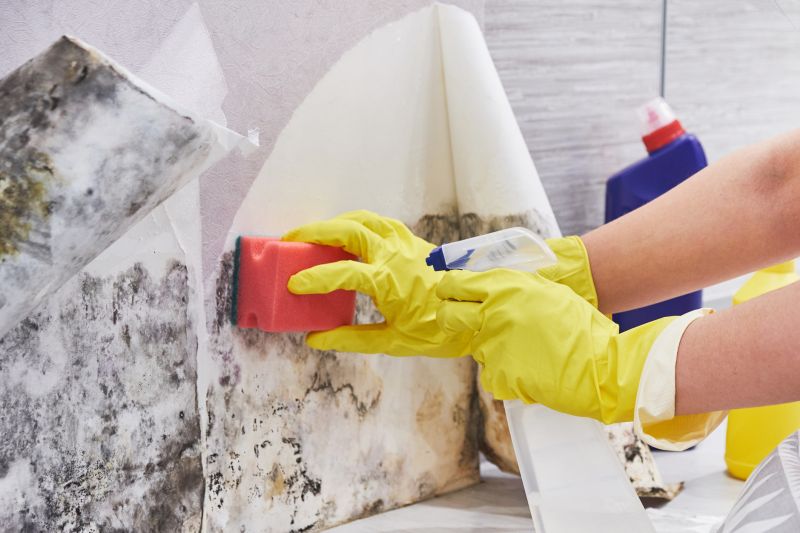
Professional attic mold removal involves thorough cleaning and proper ventilation to prevent future growth.
Attic Mold Removal in Dallas, TX
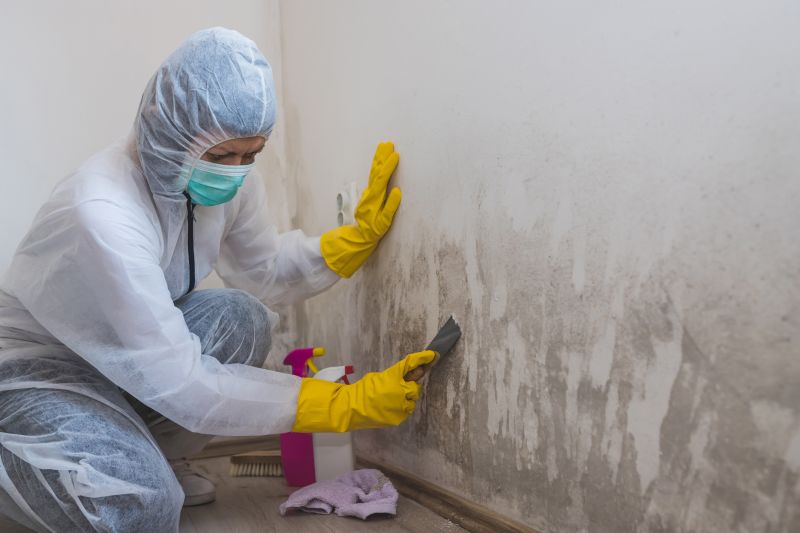
Attic mold removal services focus on identifying and eliminating mold growth that occurs in attic spaces due to excess moisture, poor ventilation, or leaks. These projects typically involve inspecting the attic for mold presence, safely removing affected materials, and treating the area to prevent future growth. Homeowners often seek this service when noticing musty odors, visible mold spots, or signs of water intrusion, aiming to improve indoor air quality and protect the structural integrity of the property.
Before requesting attic mold removal, property owners usually want to understand the extent of the mold problem, the types of materials affected, and the necessary steps for thorough remediation. It’s also common to inquire about the methods used to ensure mold spores are contained and removed effectively, as well as any recommended follow-up measures such as ventilation improvements or moisture control. Clear communication about the scope and process can help ensure the project addresses the specific needs of the attic space.
Many property owners in Dallas, TX look into Attic Mold Removal for repairs, replacements, upgrades, and appearance-related improvements.
Common Attic Mold Removal Jobs
Attic Mold Removal - eliminates mold growth caused by excess moisture in attic spaces.
Mold Inspection - identifies hidden mold issues in hard-to-reach attic areas.
Moisture Control - addresses leaks and humidity problems that contribute to mold development.
Air Quality Improvement - reduces airborne mold spores to promote healthier indoor environments.
Mold Remediation - safely removes mold from attic surfaces to prevent further spread.
Preventative Treatments - applies solutions to inhibit future mold growth in attic spaces.
Attic Mold Removal Questions
What causes mold growth in attics? Mold in attics often develops due to excess moisture from poor ventilation, roof leaks, or high humidity levels inside the home.
How can I tell if my attic has mold? Signs include visible discoloration, a musty odor, or increased humidity and condensation on attic surfaces.
Is attic mold dangerous? Yes, mold can impact indoor air quality and may cause health issues, especially for allergy or asthma sufferers.
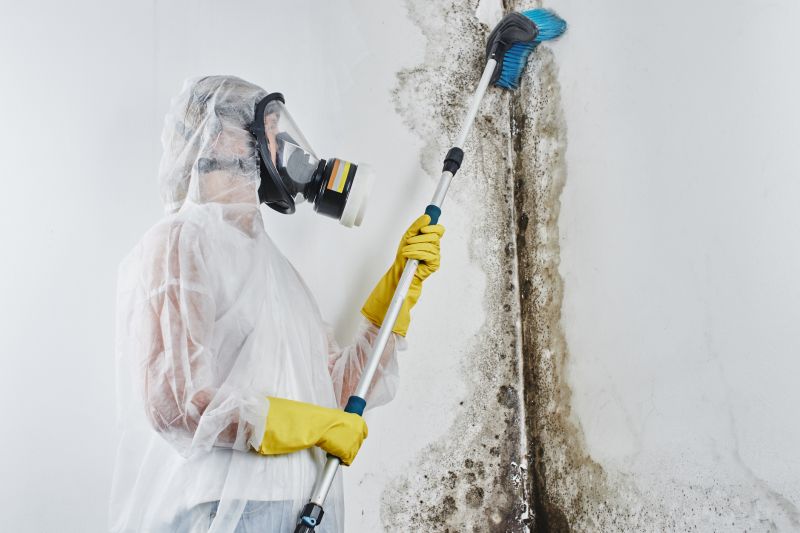
What steps are involved in attic mold removal? The process typically includes inspecting for mold, removing affected materials, and treating surfaces to prevent future growth.
Request Attic Mold Removal in Dallas, TX
Use the quote form on this page to share the basics of your project and request more information for the type of work you need.